ARCHIVE 001 · CHAPTER 11
THE OLD MAN WHO KNEW EVERYTHING
Lost in the dark city, Graham finds someone willing to explain the world — although the old man refuses to believe who Graham is.
Separated from both Council and revolutionaries, Graham wanders alone through the darkened city.
He passes warehouses, empty Ways and frightened citizens while explosions shake the buildings around him.
For the first time since waking, nobody is controlling where he goes. That freedom leaves him almost completely helpless.
He cannot easily read the new writing. He does not understand the currency. He does not know where to find food, shelter or safety.
Then he hears a cough.
An old man is sitting nearby in the darkness.
The stranger is frightened, argumentative and extraordinarily talkative. Most importantly, he knows history.
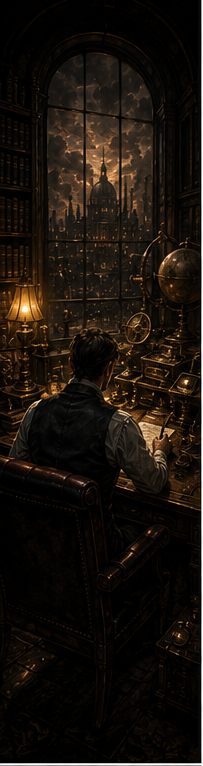
Graham begins asking careful questions.
The old man explains that Ostrog has spent years building opposition to the Council and has now armed the Labour Companies against it.
Then the conversation turns to the Sleeper.
The old man confidently explains that the real Sleeper must have died long ago and that the figure being displayed is probably some political substitute.
Graham listens to conspiracy theories about himself while trying not to reveal his identity.
But beneath the old man's errors lies information Graham desperately needs.
He explains how the Sleeper's estate grew.
Warming's money and other inheritances entered the fund. Twelve trustees managed it.
Money attracted more money. The trustees bought companies, mortgages, media and political influence.
Ownership became control.
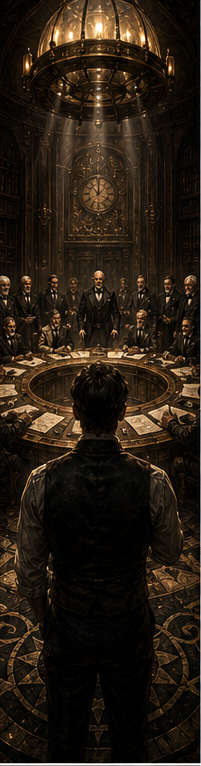
Eventually the Sleeper's estate swallowed much of the world's great property.
The Twelve Trustees became the Council because they controlled the system that paid everyone else.
Graham finally understands the structure: his property grew until its trustees became masters of the world.
Ostrog then raised the population against those trustees using the Sleeper's claim to his own estate.
Graham finally tells the old man the truth: he is the Sleeper.
The old man refuses to believe him.
To Graham, the absurdity is almost perfect: he owns the world, yet cannot persuade one old citizen that he even exists.
This chapter supplies the economic history the Council withheld from Graham. Wells's central mechanism is brutally simple: concentrated property becomes concentrated political power.